

Winterizing Your Home in Southern California
Overview
Winterizing your home in Southern California is less about freezing temperatures and more about protecting luxury properties from sudden rainstorms, salt-air corrosion, humidity shifts, and hillside erosion. Even in LA’s mild climate, winter conditions can strain roofs, drainage systems, HVAC, plumbing, and high-end finishes—especially along the coast and in canyons. Key winterizing priorities include:
Roof, gutter, and drainage prep to prevent leaks, overflow, and foundation pooling during short, intense storms.
Salt-air protection for exterior hardware, lighting, and metal finishes that corrode faster in winter moisture.
HVAC and plumbing maintenance to support cooler nights and ensure exposed pipes, water heaters, and pumps operate efficiently.
Humidity monitoring to safeguard wood flooring, art, wine collections, and other sensitive materials in oceanfront homes.
Landscape and erosion control, including pruning, slope stabilization, and adjusting irrigation for cooler weather.
Smart home and security system checks, plus backup power testing in hillside areas prone to outages.
Inspections of sliders, pivot doors, skylights, and architectural seams to prevent subtle moisture intrusion.
Because luxury homes include complex structural, mechanical, and technological systems, winterizing requires expert coordination. Sparrow Estate Management provides full-property assessments, vendor management, and tailored seasonal prep plans to protect your investment and keep your home performing beautifully all winter long.
Winter in Southern California may not bring snow or freezing temperatures, but it still presents unique challenges, especially for luxury properties along the coast and in hillside neighborhoods. Sudden storm bursts, shifting humidity levels, cool overnight temperatures, and the region’s signature salt air can all stress your home’s structure, finishes, and systems. Winterizing your home in Southern California is about proactively protecting your investment from seasonal conditions that often go unnoticed.
At Sparrow Estate Management, we take a tailored, preventative approach that reflects the needs of oceanfront estates, hillside homes, and high-end Los Angeles properties.
Why Winterizing Still Matters in a Mild Climate
Homeowners often assume that mild winters don’t require preparation. In reality, Southern California’s winter weather, while subtle, can have a significant impact on luxury properties.
High-end homes in LA and coastal cities face conditions that include:
Short, intense rainstorms that overwhelm roofs and drainage
Salt-air corrosion that accelerates the deterioration of metal fixtures
Overnight temperature dips that affect plumbing and HVAC
Moisture shifts that impact wood, art, and wine collections
Hillside runoff and erosion after the first seasonal storm
Winterizing ensures each of these risks is addressed before the season begins.
Understanding the Region’s Winter Risks
Luxury homes along the Southern California coast endure constant exposure to salt air, which becomes even more corrosive during winter moisture. Roof flashing, window hardware, exterior lighting, and HVAC components are particularly vulnerable. Heavy winds accompanying winter storms can challenge the integrity of large sliding doors, glass walls, and roofing systems.
Hillside and canyon properties, from Malibu to Bel Air, confront a different set of concerns. Dry soil struggles to absorb the season’s early rain, increasing the likelihood of erosion, clogged drainage systems, and pooling around the foundation. Debris from Santa Ana winds often worsens drainage issues unless cleared in advance.
Even within Los Angeles proper, microclimates vary dramatically. Homes in Beverly Hills may experience cooler overnight temperatures, while Pacific Palisades and Malibu feel more humidity and high winds. Tailored winterizing is essential because one blanket approach won’t suit every property.
Exterior Preparation: Strengthening the First Line of Defense
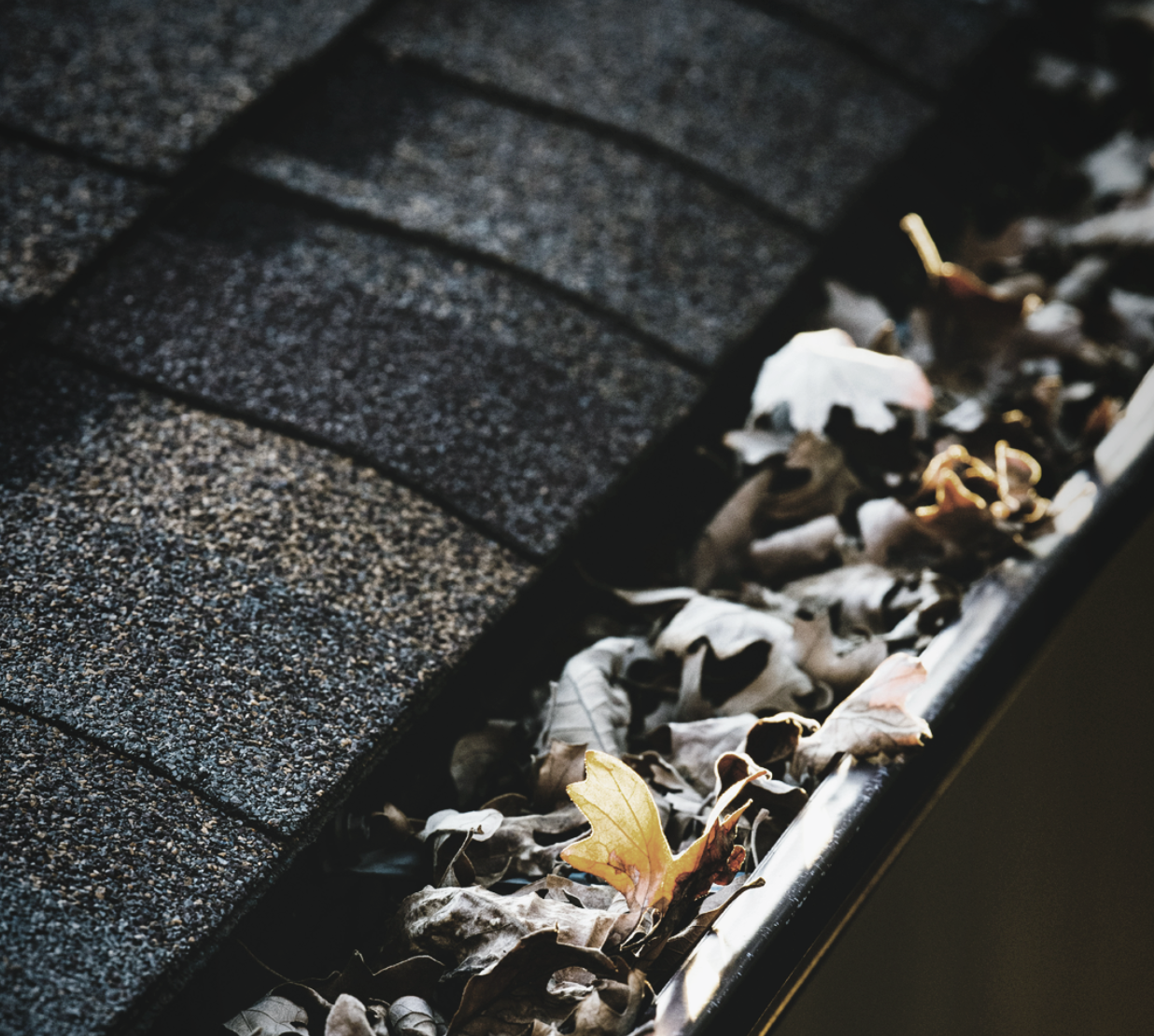
A large part of winterizing begins outside, where your home is most exposed. A thorough roof inspection is essential to catch cracked tiles, worn underlayment, or corrosion, small issues that become major after the first heavy rain. Gutters and downspouts should be cleared of leaves and debris, especially after fall Santa Ana winds, to prevent overflow or water intrusion.
Drainage systems also need to be evaluated. French drains, trench drains, sump pumps, and catch basins must be tested to ensure they function during sudden downpours. Many winter emergencies stem not from storms themselves but from drainage that wasn’t ready for them.
Your exterior living spaces deserve equal attention. Natural stone patios often require sealing to prevent moisture staining, and outdoor kitchens benefit from checking cabinetry, refrigeration lines, and gas connections for winter readiness. High-end landscape lighting should be inspected to ensure moisture hasn’t compromised wiring or fixtures.
Finally, large pivot doors and floor-to-ceiling sliders, which are iconic features in Los Angeles architecture, rely on precise weatherstripping and seals. Even small gaps can allow moisture to creep in, so yearly inspections are essential.
Interior Protection: Systems, Climate, and High-End Finishes
Inside the home, winter preparation focuses on optimizing performance and safeguarding luxury materials. HVAC systems should be serviced and calibrated to manage cooler nights while maintaining energy efficiency. In homes with zoned or smart climate control, sensors and thermostats should be checked to ensure accurate readings during seasonal shifts.
Plumbing also plays a key role. Exposed pipes in garages, attics, and mechanical rooms may face temperature dips that can lead to issues if not insulated. Water heaters, recirculating pumps, and filtration systems benefit from seasonal maintenance to ensure they’re ready for heavier winter use.
Humidity control is particularly important in oceanfront homes. Winter storms bring sudden moisture shifts that can affect wood flooring, fine art, cabinetry, musical instruments, and wine collections. Whole-home humidity monitoring allows homeowners to maintain a consistent, protective indoor environment throughout the season.
Landscaping and Grounds: Preparing for Wind, Water, and Erosion
Your landscape is both an aesthetic feature and a structural safeguard. Before winter storms arrive, pruning trees and stabilizing vulnerable branches help prevent storm damage. For hillside estates, erosion control is especially critical: mulch, jute netting, slope stabilization, and drainage reinforcement can all help keep soil in place during heavy rainfall.
Irrigation systems should be adjusted for winter conditions. Overwatering is common in Southern California during cooler months and can stress plants or cause root issues. Controllers, valves, and drip lines should be inspected and recalibrated.
Pools, spas, and architectural water features also require winter care. Ensuring heaters, pumps, automation systems, and overflow protection are functioning prevents both energy waste and flood risk. Mineral buildup can worsen in cooler water, making regular monitoring essential.
Smart Home and Security Considerations
Modern estates rely heavily on technology. Winterizing includes evaluating camera housings, gate motors, and exterior sensors for weather exposure. Backup power systems should be tested, especially in hillside areas prone to outages during winter storms. AV closets and smart home hubs should be checked for ventilation issues to prevent condensation during humid weather.
Specialty Spaces and Unique Luxury Materials
High-end homes often contain materials and collections that require extra attention during winter. Climate-controlled wine rooms, art collections, exotic woods, and designer finishes can be affected by even minor temperature or humidity shifts. Skylights, clerestory windows, and architectural seams should be inspected for potential moisture entry.
Secondary structures such as guest houses, studios, and pool houses, often used intermittently, should receive full winter checks as well. These spaces are more prone to unnoticed plumbing issues, ventilation problems, or mold growth.
Common Winterizing Oversights
Most winter-related home issues stem from smaller problems that were simply overlooked. The most common include:
Gutters blocked by fall debris before the first storm
Drainage systems untested after a long dry season
Minor window leaks around large sliders
HVAC inefficiencies that appear when temperatures dip
Unseen moisture intrusion in skylight seams
Seasonal vulnerabilities in unoccupied properties
These small oversights can lead to expensive repairs later.
Why Partner With a Home Manager
A luxury property includes many interconnected systems such as; structural, mechanical, technological, and environmental. Winterizing requires coordination across all of them. Without a dedicated home manager, critical seasonal tasks can easily be missed.
Sparrow Estate Management offers a comprehensive winterizing approach that includes full-property assessments, seasonal maintenance scheduling, vendor coordination, and ongoing monitoring. Whether the property is lived in daily or serves as a second home, we ensure every detail is handled with the highest level of care and precision.
Contact Us Today to Start Winterizing Your Home!
Even in a region known for sunshine, winterizing your home in Southern California is essential for maintaining beauty, performance, and long-term value. From drainage and mechanical systems to humidity control and luxury finishes, a proactive seasonal strategy protects your home from the subtle, yet significant impacts of winter.
Contact us today to schedule a full seasonal evaluation and custom winter prep plan tailored to the unique needs of your property.
